

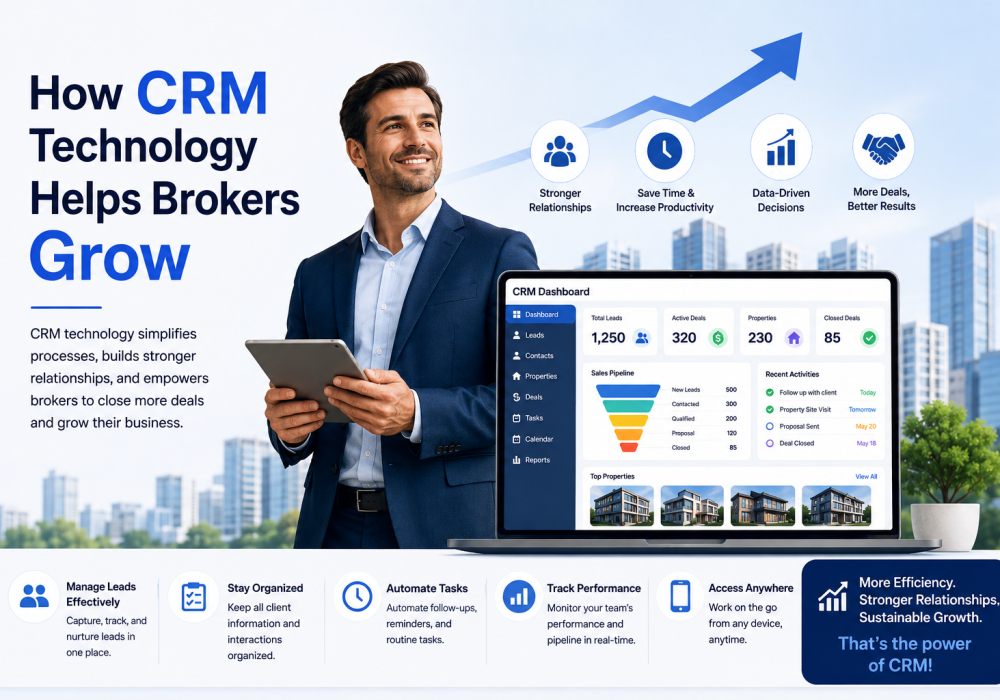
Smarter Real Estate Management: How CRM Technology Helps Brokers Grow
Running a real estate brokerage involves much more than buying and selling properties. Brokers have to manage leads, communicate with clients, coordinate with agents, track property listings, schedule follow-ups, and monitor business performance. When all these activities are handled manually, it becomes difficult to maintain consistency as the business grows.
Modern CRM platforms can simplify these processes by bringing important information into one centralized environment. HiBroker is designed to help real estate professionals organize their everyday operations, manage customer interactions, and maintain better control over their sales activities.
Managing Leads Without Losing Opportunities
Lead management is one of the most important responsibilities for a real estate broker. A brokerage can receive inquiries from websites, property portals, social media, referrals, advertisements, and direct calls. If these inquiries are stored in different places, following up with every prospect can become challenging.
The best crm for real estate brokers should make it simple to capture, categorize, assign, and track leads. Brokers can see which agent is handling a particular inquiry, what the client's requirements are, and whether a follow-up is pending.
With HiBroker, businesses can take a more structured approach to managing prospects. Keeping customer information and activities organized allows agents to spend less time searching through spreadsheets and more time communicating with potential buyers, sellers, and tenants.
Keeping Property Listings Organized
Property information changes frequently. Prices may be updated, properties can become unavailable, and new listings may be added every day. Maintaining accurate information is therefore essential for a brokerage.
A centralized platform can help agents manage property details, client requirements, images, documents, locations, and availability. Instead of searching through multiple spreadsheets, an agent can access relevant information while speaking with a customer.
HiBroker can help bring property and customer information into one organized workflow. This can be particularly useful for businesses managing properties across different locations or working with large inventories.
Why a Real Estate Management Solution Matters
A growing brokerage needs more than a simple contact database. It needs a system that can support different parts of the business, from lead generation to client communication and reporting.
A real estate management solution can connect these activities and create a more structured workflow. Agents can manage prospects, brokers can monitor team activities, and management can review overall performance without depending entirely on manual reports.
For example, when a new lead enters the system, it can be assigned to the appropriate agent. The agent can then update the lead's status as the conversation progresses. Managers can review the pipeline and identify leads that require immediate attention.
Improving Follow-Ups
Real estate sales often require multiple conversations before a decision is made. A customer may initially ask about a property, compare different options, arrange a site visit, negotiate the price, and finally decide whether to proceed.
Without proper reminders, follow-ups can easily be delayed. CRM software can help agents schedule tasks and reminders so important conversations do not get forgotten.
HiBroker can support this organized approach by providing real estate teams with a centralized environment for managing customer-related activities. Having a clear view of pending tasks can help agents stay consistent throughout the sales process.
Selecting the Right CRM Software
There are many CRM platforms available, but choosing the right one depends on the specific needs of the brokerage. The best real estate crm software should be easy enough for agents to use regularly while providing useful tools for managers and business owners.
Important factors to consider include lead management, property tracking, follow-up reminders, reporting, automation, team management, integrations, mobile accessibility, and customization.
Ease of use is particularly important. A system with too many complicated features may discourage employees from using it consistently. A practical platform should fit naturally into the team's daily workflow.
HiBroker can be a suitable option for businesses looking for a centralized platform to manage real estate activities. Its value ultimately depends on how well its features match the company's specific operational requirements.
Supporting Property Management Activities
Real estate companies that also manage rental or commercial properties have additional responsibilities. They may need to maintain tenant information, owner details, lease records, maintenance requests, payment information, and important dates.
Property management system software can bring these activities into a more organized environment. Property managers can maintain records for different properties and contacts while keeping track of ongoing tasks.
This can reduce dependency on separate spreadsheets and paperwork. It also makes it easier for team members to find relevant information when dealing with owners or tenants.
For businesses using HiBroker as part of their broader workflow, having organized property and client information can help create better coordination between sales and property management teams.
Better Reporting for Better Decisions
Data can help brokers understand how their business is performing. Instead of relying only on assumptions, managers can review information about lead sources, sales pipelines, agent performance, and conversions.
CRM reporting tools can provide a clearer picture of where opportunities are being generated and where prospects are dropping out of the sales process.
For example, if most inquiries are coming from a particular marketing channel but conversion rates remain low, the management team can investigate the quality of those leads. On the other hand, a channel producing fewer but more qualified prospects may deserve greater attention.
Creating a More Connected Team
Communication between brokers and agents is another important part of successful property operations. When information is scattered across individual devices and applications, team members may not have the complete picture of a client's requirements.
A centralized system gives authorized team members access to relevant information. This can make collaboration easier, particularly when several people are involved in a transaction.
HiBroker can help businesses create a more connected workflow by giving teams a common place to organize customer and property-related activities. Better visibility can also help managers understand workload distribution and identify pending tasks.
The Future of Real Estate Operations
Technology is changing the way property businesses operate, but technology alone does not guarantee success. The real benefit comes when software is combined with clear processes and consistent customer service.
For growing brokerages, the best crm for real estate brokers can provide a structured way to manage leads, clients, properties, and sales activities. Meanwhile, a real estate management solution can help connect different operational processes and improve overall visibility.
Businesses looking for the best real estate crm software should focus on practical features that solve their actual challenges rather than selecting a platform simply because it has a long list of features. Similarly, companies handling rental or managed properties should evaluate whether their property management system software can support their daily requirements as the business expands.
With a practical platform such as HiBroker and well-defined internal processes, real estate businesses can create more organized workflows, improve follow-up activities, strengthen team coordination, and provide a smoother experience for customers
Posted
2 months ago by Manish
Leave a Reply